The Ontology - A Map for Our Ecosystem
Across my travels I have found that our community of great people do not suffer from a lack of information, but suffer from a lack of it being organized.
What has been accomplished here is the world's first public knowledge graph for the liquid light and projection art ecosystem.
After first discovering my life's work in this ever expanding field, I dove deep into the infinite rabbit holes of Google—searching, discovering, dead ends, trial and error, implementing, seeing what worked and what didn't, learning from others in real life, and crafting my own unique voice in the medium. Through this process I was able to develop not just my craft, but also develop the underlying crystallization of knowledge that expresses itself through my work. Which I am wholeheartedly grateful that I get to share it with you—and through this work, I have been able to connect with people in this community all across the earth.
I love this community. It is worthy of great exploration and consideration. And this is my way of giving back with the utmost respect to those who came before me, as well as honoring those who stand beside me as we continue to protect, preserve, and flourish through this beautiful art form. Which to me, is more than just art... it's a way of seeing the world.
Below you will notice there are 10 pillars that encompass the categories of this graph. There is value here for everyone... let's dive in.
People
The ones who make all of this matter
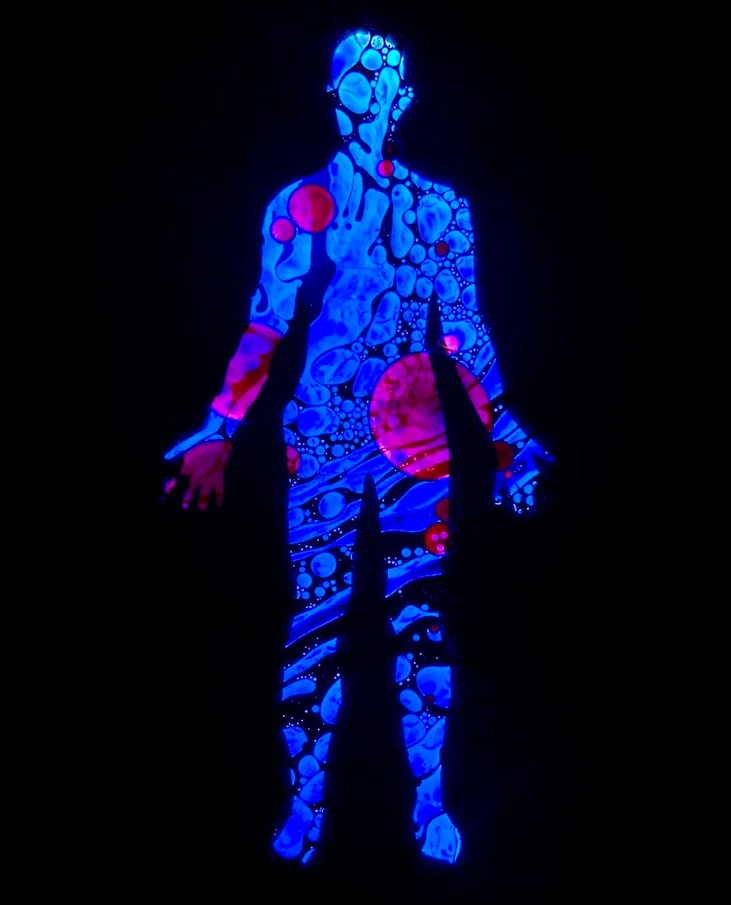
Before there are places, events, gear, or techniques, there are people. Without people, experiences cannot be shared, art cannot be witnessed, and memories cannot form. This community exists because individuals chose to show up, to teach, to collaborate, and to care—shaping the culture through presence as much as through creation. This pillar honors those who came before, those who stand beside us now, and those who will carry this work forward.
Places
Where we travel, where we gather, where we belong
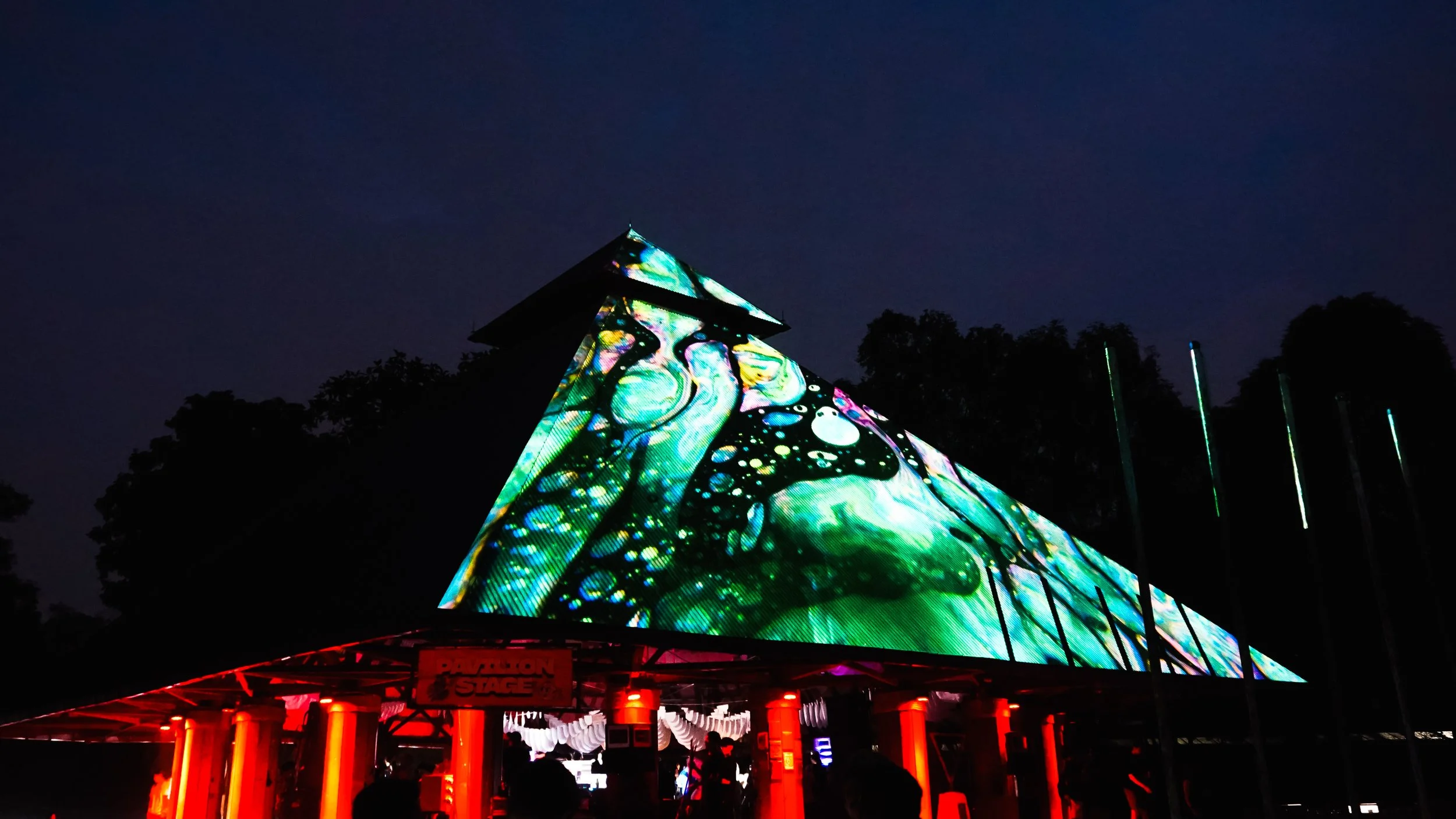
There is something sacred about stepping into a new space for the first time—or returning to one that feels like home. Places are where we travel to explore the unfamiliar and reconnect with the familiar. They are the venues, studios, DIY spaces, and scenes that hold our memories and shape our experiences. These spaces become landmarks in our lives, not just on a map. They are where we meet people who change us, where we witness performances that move us, where we feel part of something larger than ourselves. Without places, there is no gathering. Without gathering, there is no community. And without community, this art form cannot survive.
Events
Shared memories, crossing paths, the right moment
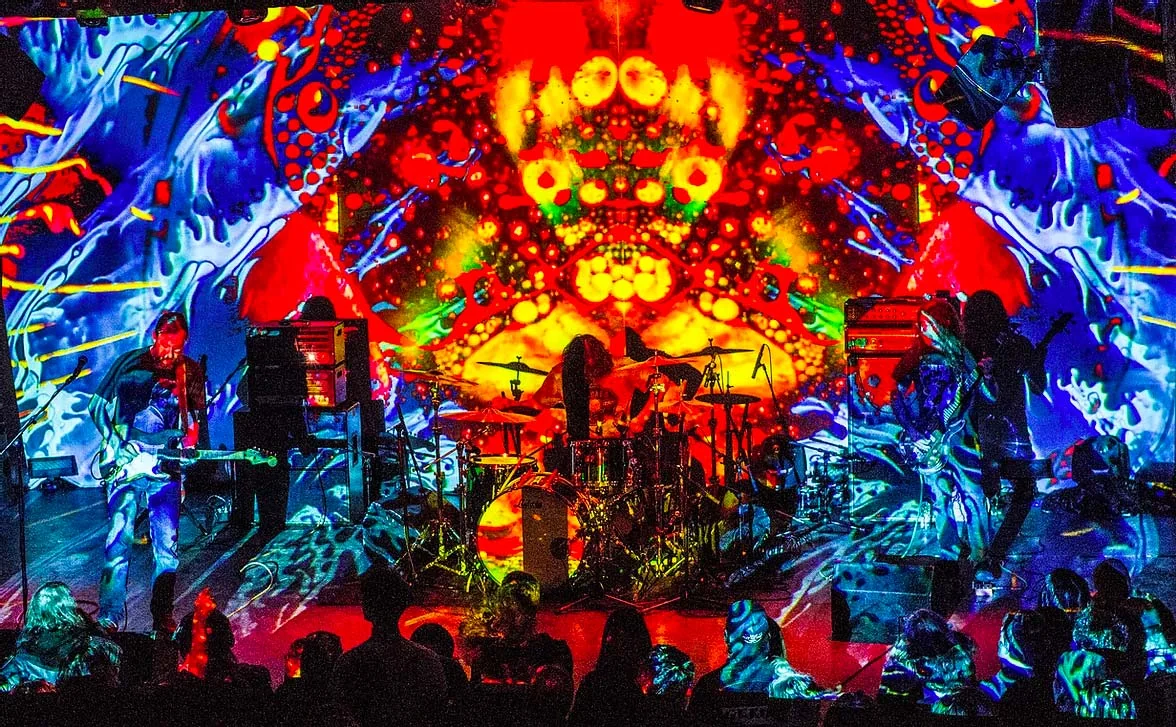
Events are where life crystallizes into memory. They are where we share experiences with friends, loved ones, and strangers who become friends. They are where we cross paths with certain people at the right time, in the right place, at the right moment in our lives—connections that ripple forward in ways we couldn't predict. Festivals, tours, residencies, screenings, and gatherings are not just calendar dates—they are the punctuation marks of our personal histories. They are where we feel alive, present, and connected. They remind us why we do this work: not for ourselves alone, but to create something beautiful that others can step into and carry with them.
Gear
The components that preserve and grow this community
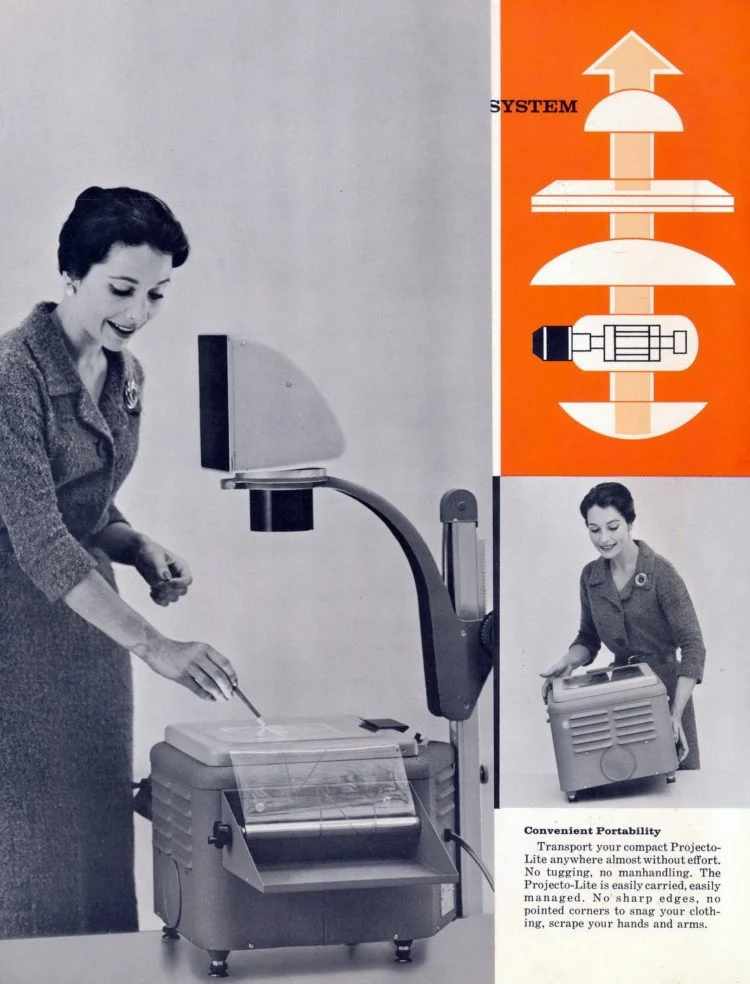
Gear is more than equipment—it is the means by which we express ourselves and keep this community alive. Projectors, lighting, liquid light materials, cables, mixers, synths—these are the tools that allow us to translate ideas into experiences. Without them, the work cannot exist. But gear is also memory: the overhead projector passed down from a mentor, the CRT monitor that survived a decade of tours, the custom-built rig that defined a visual signature. Gear connects us across time—to those who built the first lightshows in the 1960s, to those working now, and to those who will carry this forward. It is how we protect, preserve, and continue to create beautiful experiences for each other.
Craft
Techniques, aesthetics, and the voice you develop
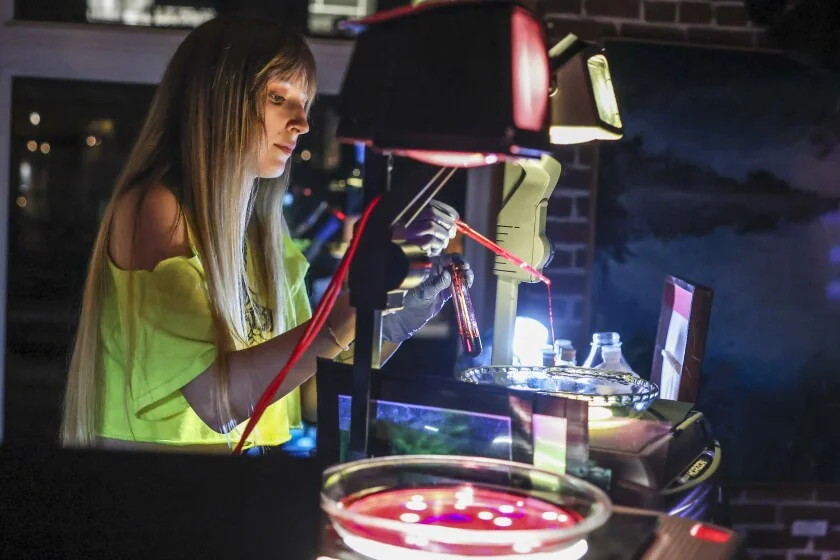
Craft is how you speak when words aren't enough. It is the techniques you learn, the aesthetics you refine, and the voice you develop through years of trial and error. Craft is what happens when you stop imitating and start creating. It is the liquid light method you perfect, the projection style you make your own, the way you move through a performance that no one else moves. Craft is learned from those who came before—through mentorship, observation, and study—but it is also discovered alone, in the studio, in the late hours, through failure and breakthrough. It is both inheritance and invention. And it is what allows this art form to evolve without losing its soul.
Research
The evidence that deepens our understanding
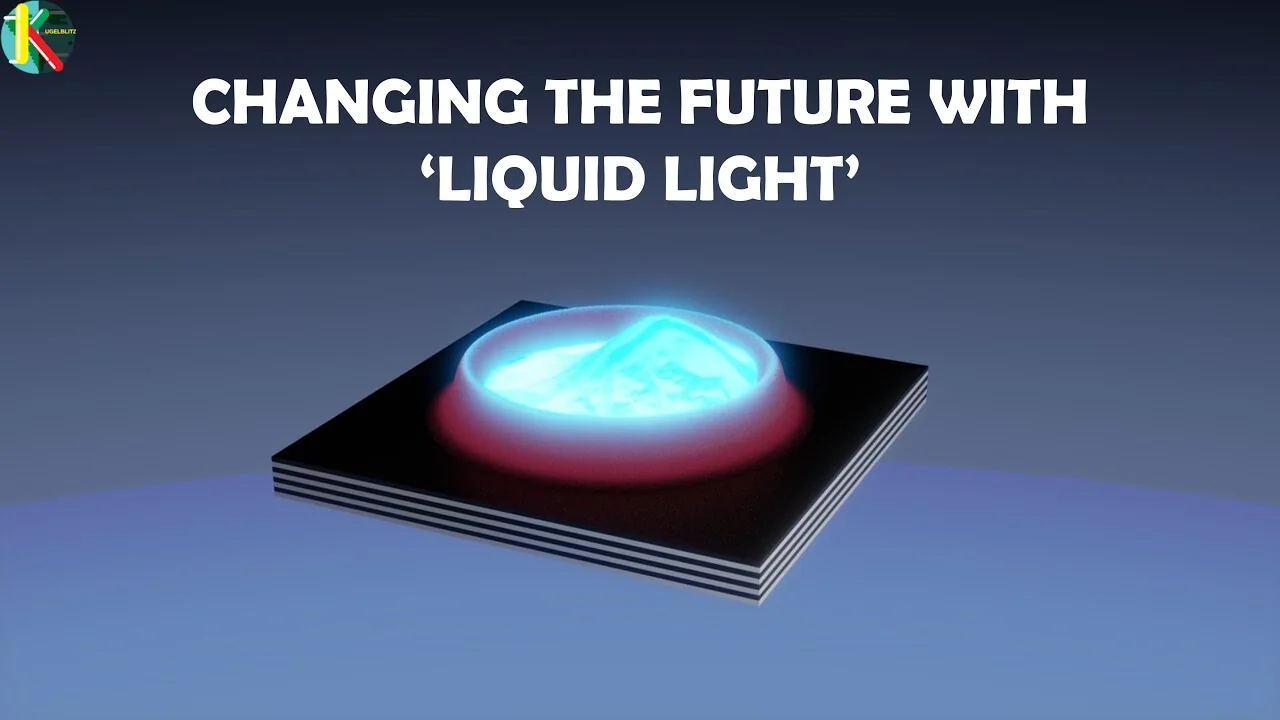
Research is how we know what we know. It is the academic papers, industry studies, and documented experiments that deepen our understanding of perception, performance, and consciousness. Research bridges the gap between intuition and evidence—it tells us why certain visuals move people, how audience perception works, and what happens in the brain when sound and light synchronize. It validates what artists have known intuitively since the beginning of art—something about it touches us to the core. Something preverbal, something we can't explain with words. And research helps us enrich these experiences for others. Research also preserves history—documenting the lineage of liquid light, the evolution of VJing, the festivals that shaped scenes. It ensures that what we learn is not lost, but passed forward.
Learning
Following curiosity, making connections, discovering life
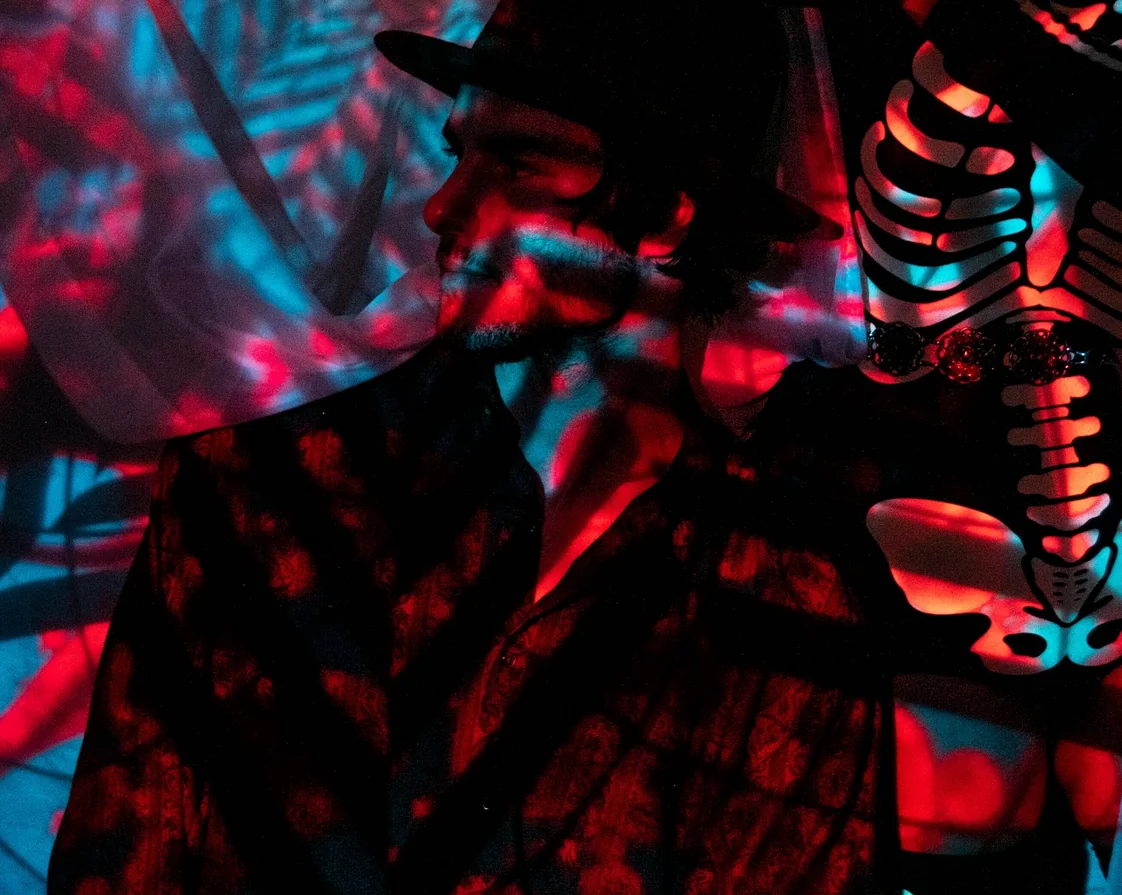
Learning is the exploratory experience where we get to follow our intuition and curiosities to see how the world connects. It is how we make new connections—between ideas, techniques, people, and places—and discover new life experiences. Learning is not confined to classrooms or workshops; it happens in conversations, in failures, in watching someone work, in reading a manual for a broken projector. It is the glossaries that demystify terminology, the how-to guides that make techniques accessible, the templates that help us advance shows and build tours. Learning is what keeps this community alive—because knowledge that is hoarded dies, but knowledge that is shared grows.
Business
The infrastructure that allows this work to survive

Business is not the opposite of art—it is what allows art to exist beyond the studio. It is the booking, routing, contracts, and budgets that turn vision into reality. It is the infrastructure that ensures artists are paid fairly, that tours are logistically viable, that venues can afford projection gear, that festivals can host visual artists. Business is how we sustain ourselves so we can keep creating. It is not glamorous, but it is essential. And it is deeply human—because behind every contract is a conversation, behind every budget is a decision about what matters, and behind every tour is a network of people who believe in the work and make it possible.
Sublime
The questions we ask about life, consciousness, and meaning
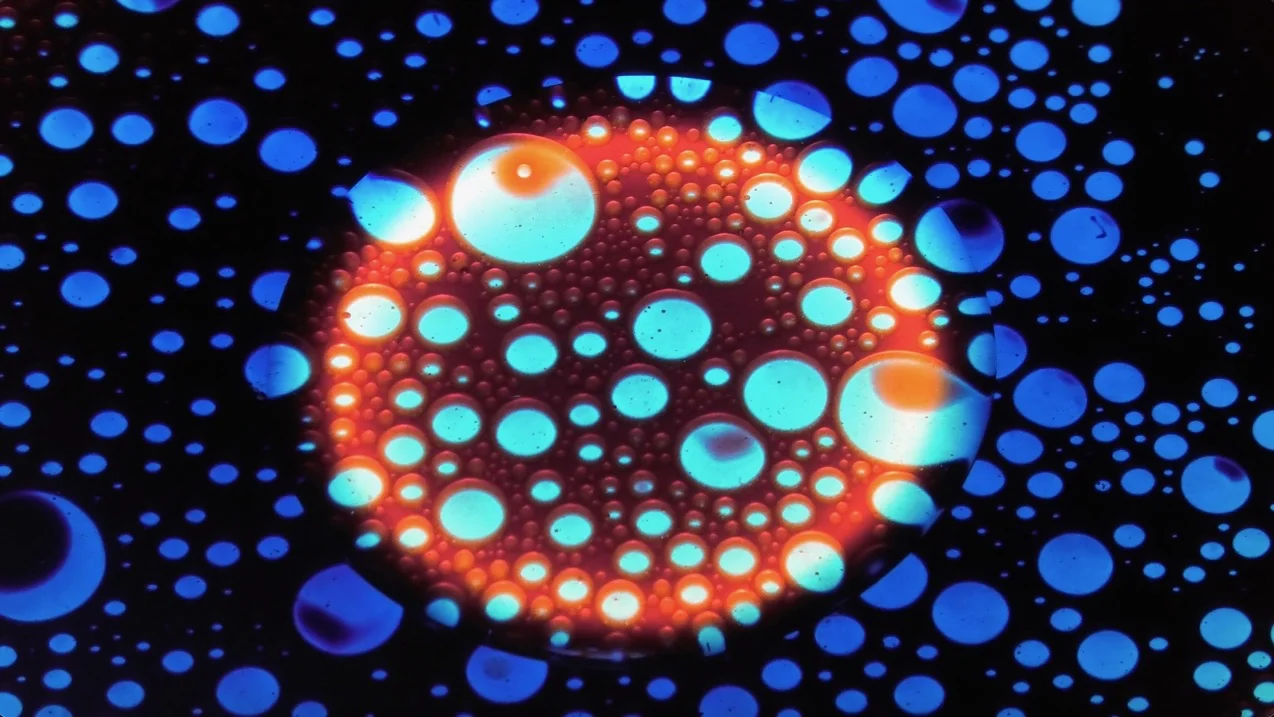
For the many questions we have about what life is and what it means—this pillar explores the altered states of consciousness that have shaped this community and society throughout history. The sublime is the transcendent experience that happens when light, sound, and presence converge. It is the flow state that artists enter when performing, the synesthetic immersion that audiences feel, the sense of connection that arises when barriers between self and other dissolve. It is why we do this work: not just to entertain, but to create moments where people feel something larger than themselves. The sublime reminds us that this is more than just art—it is a way of seeing the world, of experiencing reality, of touching the the intangible.
A FULL CIRCLE OF DISCOVERY
The goal of this graph is simple: to provide a valuable search experience for anyone—booking agents, band managers, artists, community members, and anyone else who speaks the language of humans.
I feel as if I have come full circle. I began my journey in the search bar, guided by those colorful Google letters that noticeably changed every day—a small detail I always appreciated. Today, I have implemented a similar experience, but in a more focused manner for our community. The 10 pillars have gone deep across the World Wide Web to organize what was once scattered.
Below is a button to explore the world’s first public knowledge graph for our field—a similar internal system Google uses to organize the world’s information, now dedicated to our craft. Please see specification.html to see how this website was built.